
About Porsche.
Origins of a Vision
(1931–1948)
The story of Ferdinand Porsche begins long before the first car carried his name. In 1931, he founded a design and engineering office in Stuttgart, focused on developing innovative automotive solutions for other manufacturers. Ferdinand Porsche was already known for groundbreaking engineering work, including early electric vehicles and advanced drivetrain concepts.
One of the most significant projects of this period was the development of the Volkswagen Beetle, commissioned by the German government as an affordable car for the masses. The Beetle’s engineering philosophy — lightweight design, reliability, and efficiency — would later influence Porsche’s own sports cars.
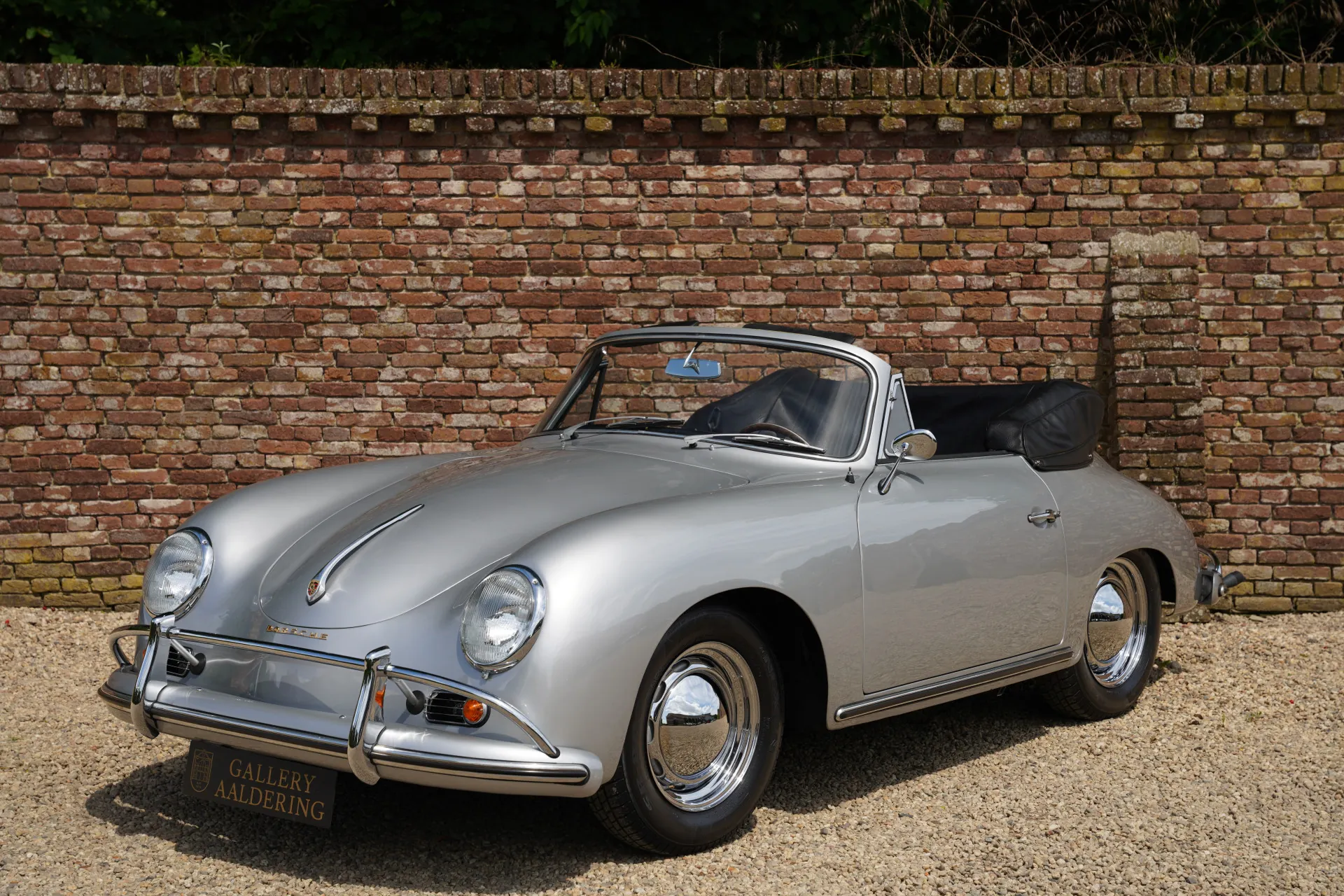
After World War II, Ferdinand’s son Ferry Porsche took the initiative to build a sports car that embodied the family’s engineering ideals. In 1948, the first Porsche-badged car was born: the Porsche 356.
The Birth of the Porsche Sports Car (1948–1963)
The Porsche 356 was lightweight, agile, and incredibly fun to drive. Built initially in Gmünd, the car quickly gained recognition among enthusiasts and racers alike.
Its success came from a simple philosophy:
maximize driving experience through engineering precision and weight reduction.
Over the next decade, the 356 evolved through several generations, improving power, handling, and reliability. Porsche also began building its reputation in motorsport during this period, proving that its small sports cars could compete with much larger and more powerful competitors.
By the early 1960s, Porsche had established itself as a serious sports car manufacturer.
Origins of a Vision
(1931–1948)
The story of Ferdinand Porsche begins long before the first car carried his name. In 1931, he founded a design and engineering office in Stuttgart, focused on developing innovative automotive solutions for other manufacturers. Ferdinand Porsche was already known for groundbreaking engineering work, including early electric vehicles and advanced drivetrain concepts.
One of the most significant projects of this period was the development of the Volkswagen Beetle, commissioned by the German government as an affordable car for the masses. The Beetle’s engineering philosophy — lightweight design, reliability, and efficiency — would later influence Porsche’s own sports cars.
After World War II, Ferdinand’s son Ferry Porsche took the initiative to build a sports car that embodied the family’s engineering ideals. In 1948, the first Porsche-badged car was born: the Porsche 356.
The Birth of the Porsche Sports Car (1948–1963)
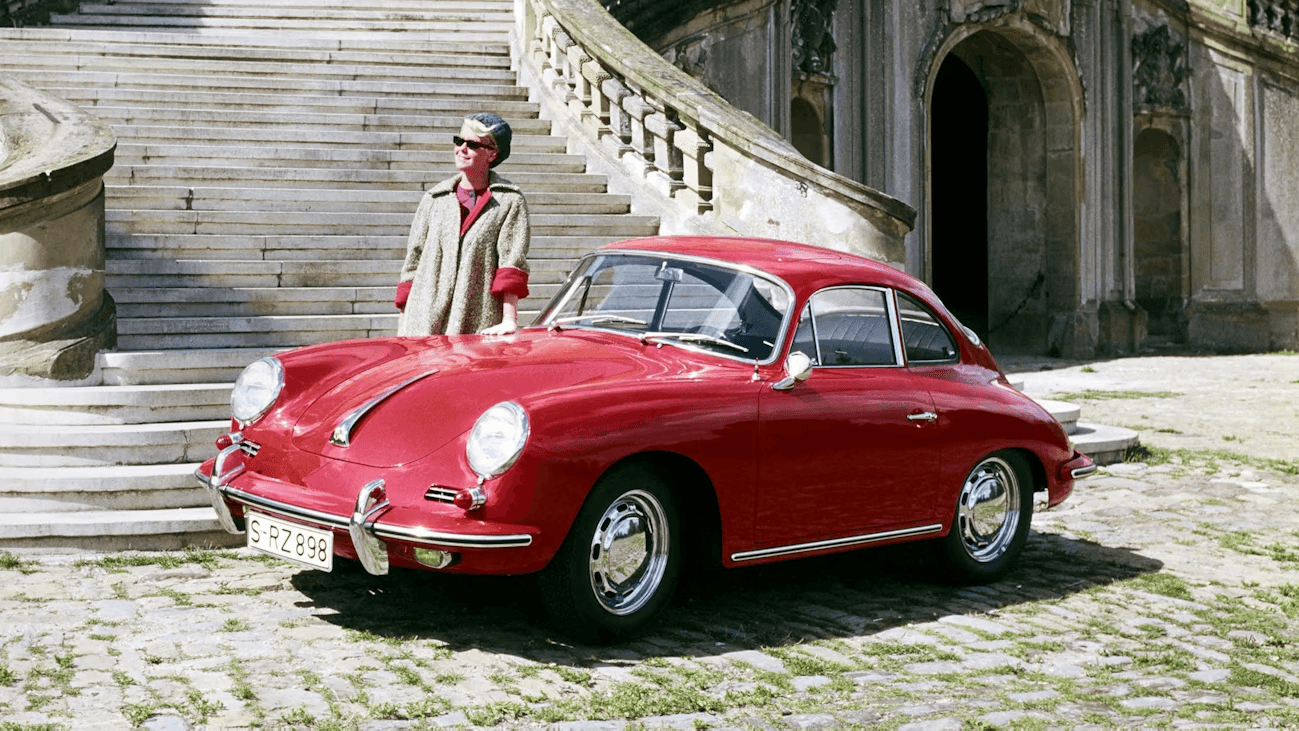
The Porsche 356 was lightweight, agile, and incredibly fun to drive. Built initially in Gmünd, the car quickly gained recognition among enthusiasts and racers alike.
Its success came from a simple philosophy:
maximize driving experience through engineering precision and weight reduction.
Over the next decade, the 356 evolved through several generations, improving power, handling, and reliability. Porsche also began building its reputation in motorsport during this period, proving that its small sports cars could compete with much larger and more powerful competitors.
By the early 1960s, Porsche had established itself as a serious sports car manufacturer.
The Icon: Porsche 911 (1963–Present)
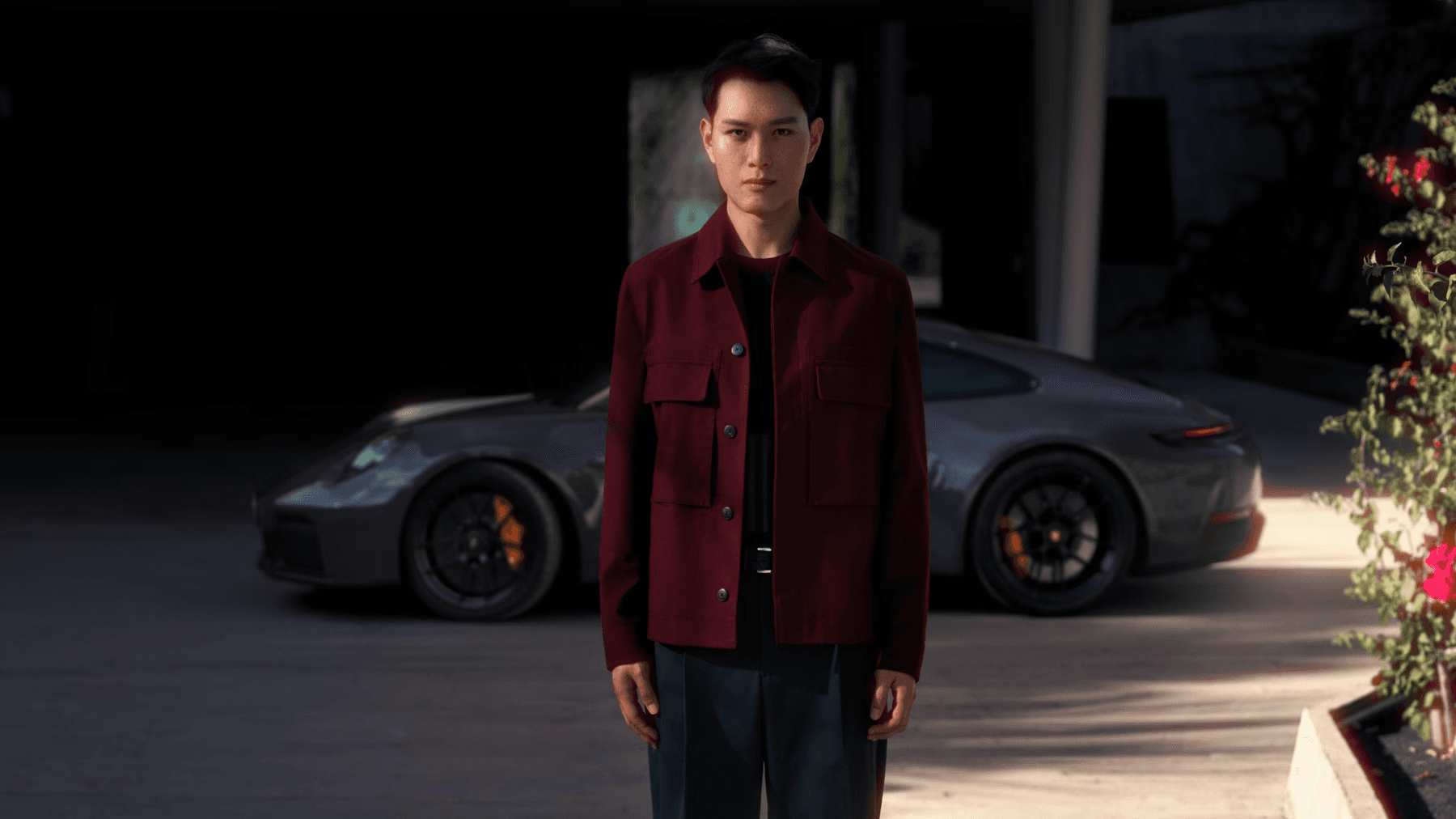
In 1963, Porsche introduced a car that would become one of the most recognizable sports cars in history: the Porsche 911.
Designed by Ferdinand Alexander Porsche, the 911 combined timeless design with a distinctive rear-engine layout and exceptional driving dynamics.
What made the 911 unique was its ability to evolve without losing its identity. Over the decades it gained:
more power
advanced aerodynamics
cutting-edge technology
refined handling systems
Yet the silhouette and driving philosophy remained unmistakably Porsche.
Today, the 911 remains the core of the Porsche brand, representing the perfect balance between performance, precision, and everyday usability.
Motorsport Heritage
Racing has always been at the heart of Porsche’s DNA. From early victories in endurance races to dominating global motorsport, the company has consistently pushed engineering boundaries.
One of the most legendary race cars ever built is the Porsche 917, which secured Porsche’s first overall victory at the 24 Hours of Le Mans in 1970.
Since then, Porsche has become the most successful manufacturer in Le Mans history, with numerous class and overall victories.
Motorsport remains a testing ground where Porsche develops technologies that later appear in its road cars.
The Icon: Porsche 911 (1963–Present)
In 1963, Porsche introduced a car that would become one of the most recognizable sports cars in history: the Porsche 911.
Designed by Ferdinand Alexander Porsche, the 911 combined timeless design with a distinctive rear-engine layout and exceptional driving dynamics.
What made the 911 unique was its ability to evolve without losing its identity. Over the decades it gained:
more power
advanced aerodynamics
cutting-edge technology
refined handling systems
Yet the silhouette and driving philosophy remained unmistakably Porsche.
Today, the 911 remains the core of the Porsche brand, representing the perfect balance between performance, precision, and everyday usability.
Expansion and Innovation (1990s–2010s)
While Porsche built its reputation on sports cars, the brand entered a new era of growth in the early 2000s.
The introduction of the Porsche Cayenne in 2002 marked a turning point. Initially controversial among purists, the Cayenne became a commercial success and helped secure Porsche’s financial future.
Soon after, Porsche expanded its lineup with vehicles such as:
Porsche Boxster
Porsche Panamera
Porsche Macan
These models allowed Porsche to reach new customers while maintaining its commitment to performance and engineering excellence.
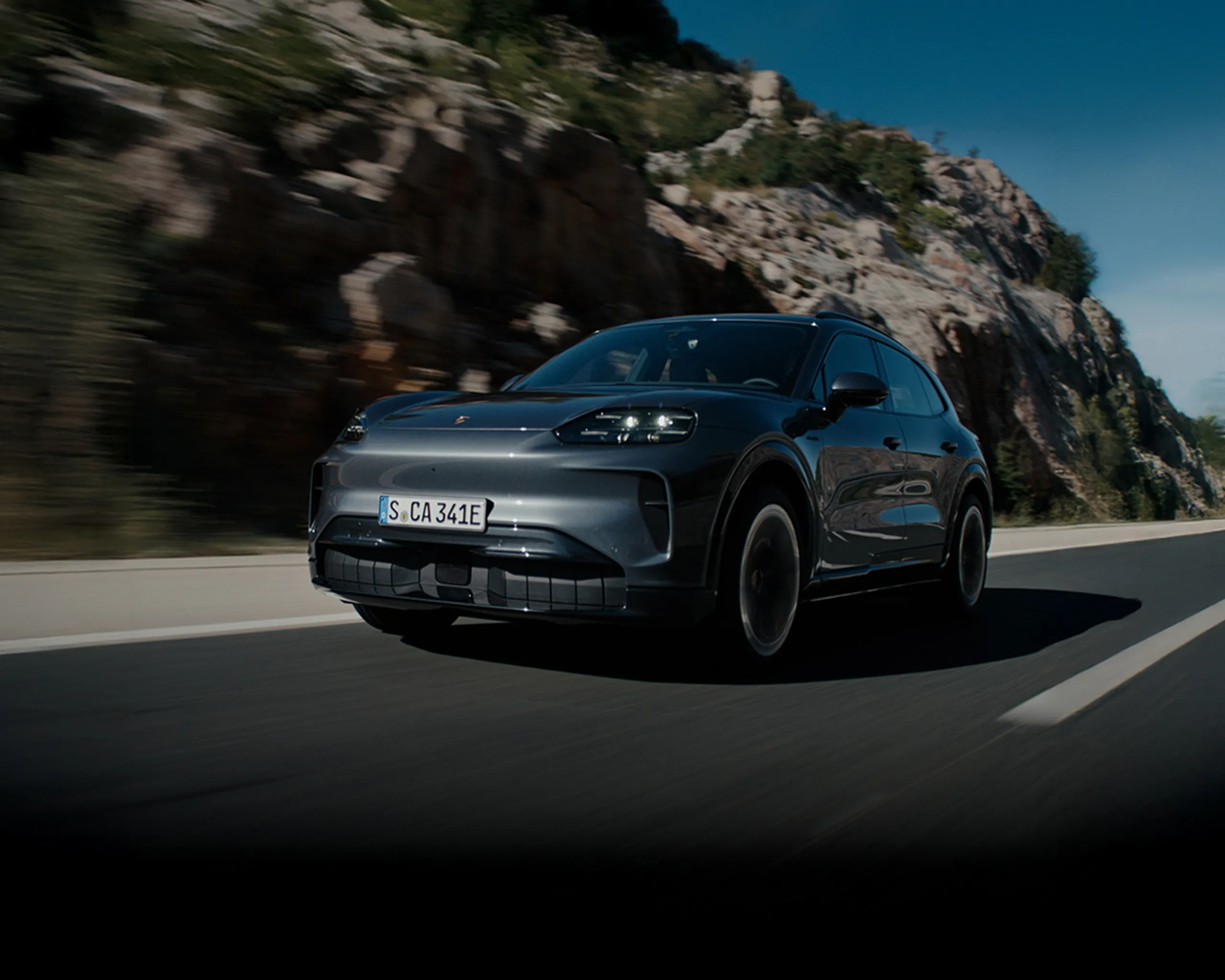
Motorsport Heritage
Racing has always been at the heart of Porsche’s DNA. From early victories in endurance races to dominating global motorsport, the company has consistently pushed engineering boundaries.
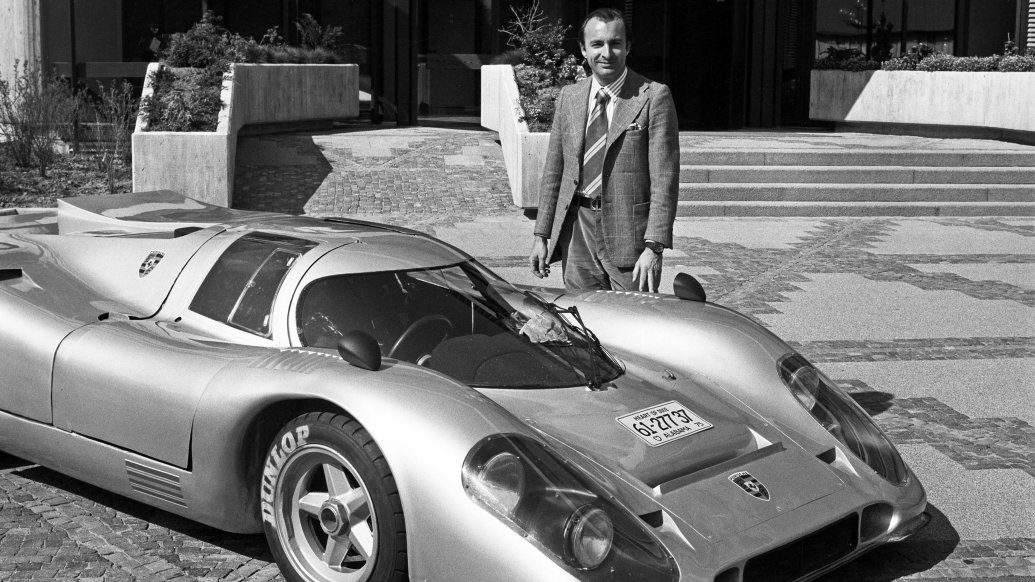
One of the most legendary race cars ever built is the Porsche 917, which secured Porsche’s first overall victory at the 24 Hours of Le Mans in 1970.
Since then, Porsche has become the most successful manufacturer in Le Mans history, with numerous class and overall victories.
Motorsport remains a testing ground where Porsche develops technologies that later appear in its road cars.
Expansion and Innovation (1990s–2010s)
While Porsche built its reputation on sports cars, the brand entered a new era of growth in the early 2000s.
The introduction of the Porsche Cayenne in 2002 marked a turning point. Initially controversial among purists, the Cayenne became a commercial success and helped secure Porsche’s financial future.
Soon after, Porsche expanded its lineup with vehicles such as:
Porsche Boxster
Porsche Panamera
Porsche Macan
These models allowed Porsche to reach new customers while maintaining its commitment to performance and engineering excellence.
The Electric Future
Today, Porsche continues to innovate while honoring its heritage. In 2019, the brand introduced its first fully electric sports car, the Porsche Taycan.
The Taycan proved that electrification could deliver the same emotional driving experience Porsche is known for: instant acceleration, precise handling, and exceptional performance.
With ongoing development in electric mobility and advanced technology, Porsche is shaping the future of performance cars while staying true to its original philosophy.
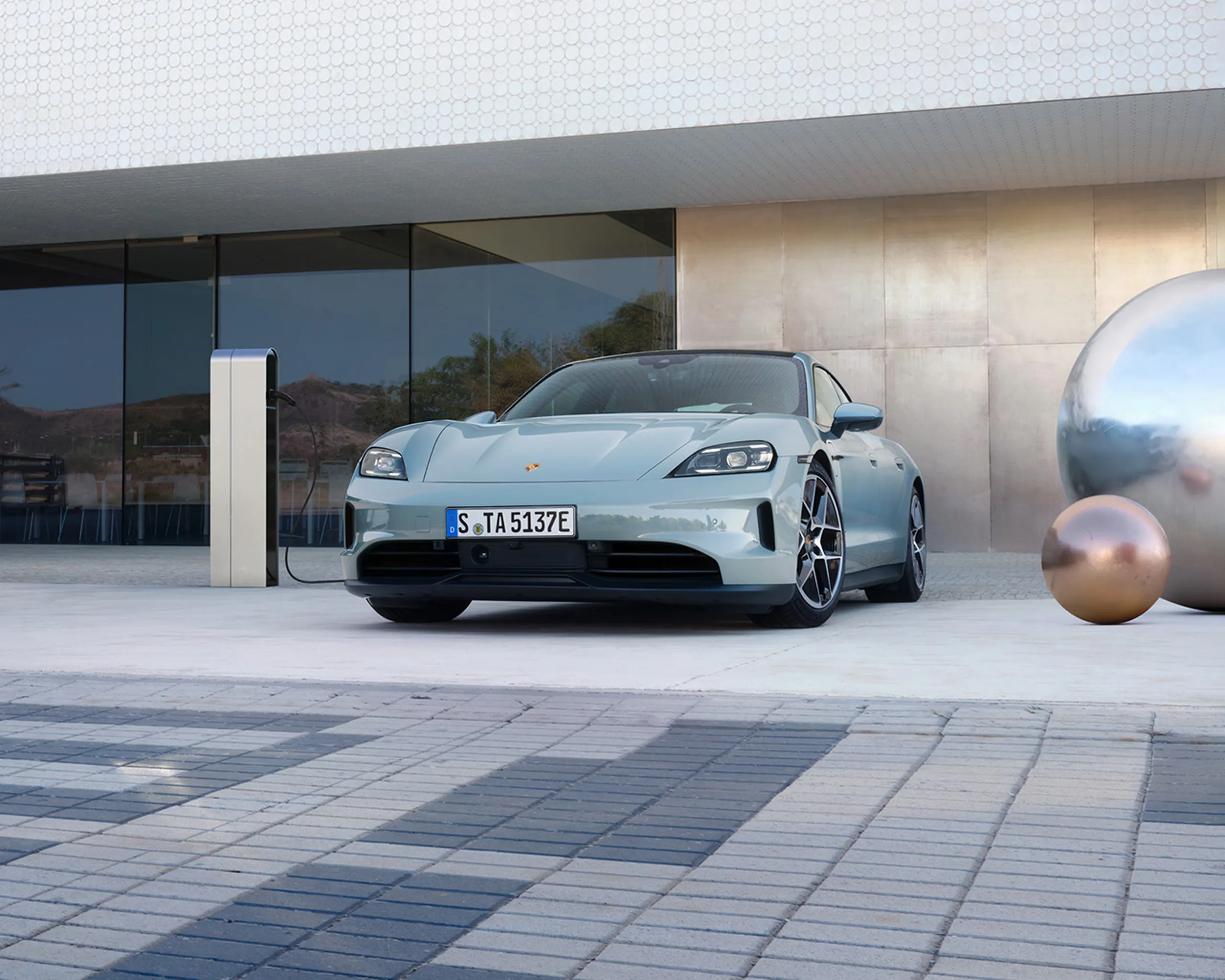
The Electric Future
Today, Porsche continues to innovate while honoring its heritage. In 2019, the brand introduced its first fully electric sports car, the Porsche Taycan.
The Taycan proved that electrification could deliver the same emotional driving experience Porsche is known for: instant acceleration, precise handling, and exceptional performance.
With ongoing development in electric mobility and advanced technology, Porsche is shaping the future of performance cars while staying true to its original philosophy.
A Legacy of Engineering and Passion
From the lightweight 356 to the legendary 911 and the electric Taycan, every Porsche reflects the same philosophy established by Ferry Porsche:
“In the beginning I looked around and could not find quite the car I dreamed of. So I decided to build it myself.”
This pursuit of perfection continues to define Porsche today — a brand where tradition, innovation, and passion for driving come together.
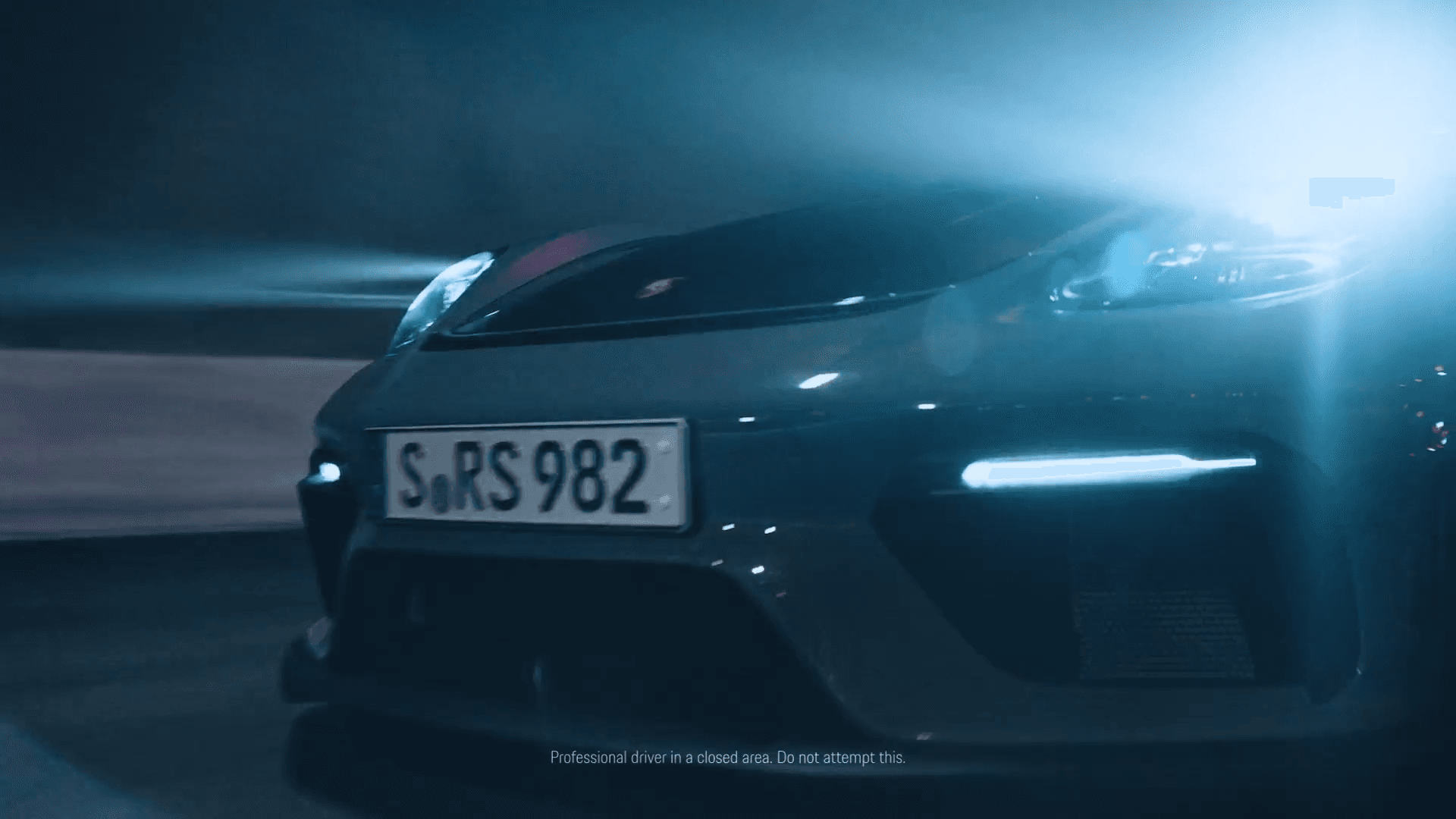
A Legacy of Engineering and Passion
From the lightweight 356 to the legendary 911 and the electric Taycan, every Porsche reflects the same philosophy established by Ferry Porsche:
“In the beginning I looked around and could not find quite the car I dreamed of. So I decided to build it myself.”
This pursuit of perfection continues to define Porsche today — a brand where tradition, innovation, and passion for driving come together.
Porsche is a German luxury sports car manufacturer known for combining high performance, precision engineering, and timeless design.
Created by Andrzej Gawłowski

Contact
Porsche Shop
Find my Porsche
Terms & Conditions
Careers
Home
Models
Service
Dealerships
Porsche Connect
Porsche is a German luxury sports car manufacturer known for combining high performance, precision engineering, and timeless design.
Created by Andrzej Gawłowski
Contact
Porsche Shop
Find my Porsche
Terms & Conditions
Careers